The Lewisham Osteopathic Practice
Osteopathy in Lewisham, London
Osteopathy for Back Pain in Lewisham
Acute Back Pain
Acute back pain means pain that has been present for less than approximately 12 weeks.
The longer a pain continues the greater the chance of developing chronic (long term) back problems. Long term acute back pain can set up a pathway in the nervous system that continues to send pain signals even though any original tissue damage has long since disappeared. Acute pain can usually be treated successfully as the condition is due to a diagnosable and treatable problem, usually involving inflammation of soft tissue and muscle spasm.
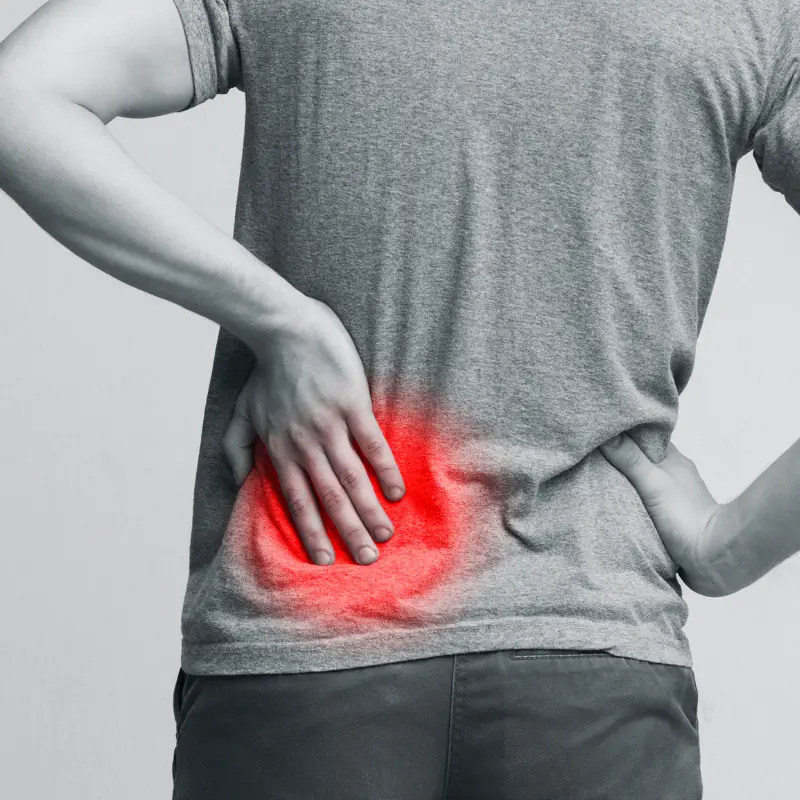
Acute pain can result from trauma caused by a sports injury, work around the house or in the garden, a sudden jolt such as a car accident or other stress on spinal bones and tissues possibly due to bad posture. Symptoms may range from muscle ache to shooting or stabbing pain, limited flexibility and range of motion, or an inability to stand straight.
What to do when you have an episode of back pain
- Try to avoid complete rest. Rest is not an effective treatment for low back pain and can lead to stiffness, weakness. Avoid sitting for long periods, especially on soft chairs.
- Try to continue normal activities as much as possible, but give yourself smaller goals and rest periodically.
- Pace your activities - do normal daily activities but cut them up into small blocks of time so that you can easily manage.
- Medication should be taken in fixed doses at fixed times, and not when you feel like it or the pain gets too bad. Drugs that are used need to be discussed with your doctor or pharmacist.
- Osteopathic treatment will help to relieve symptoms and speed your recovery. An osteopath will be able to diagnose and advise on how to care for the specific injury that you have suffered.
- You should return to normal activities and work within weeks after the start of your episode. You will benefit from a specific exercise programme to prevent long term problems.
Ninety per cent of people make a full recovery within four weeks. In about 30 per cent of cases though, there's a recurrence of back pain. But again, the pain usually settles with the correct care.
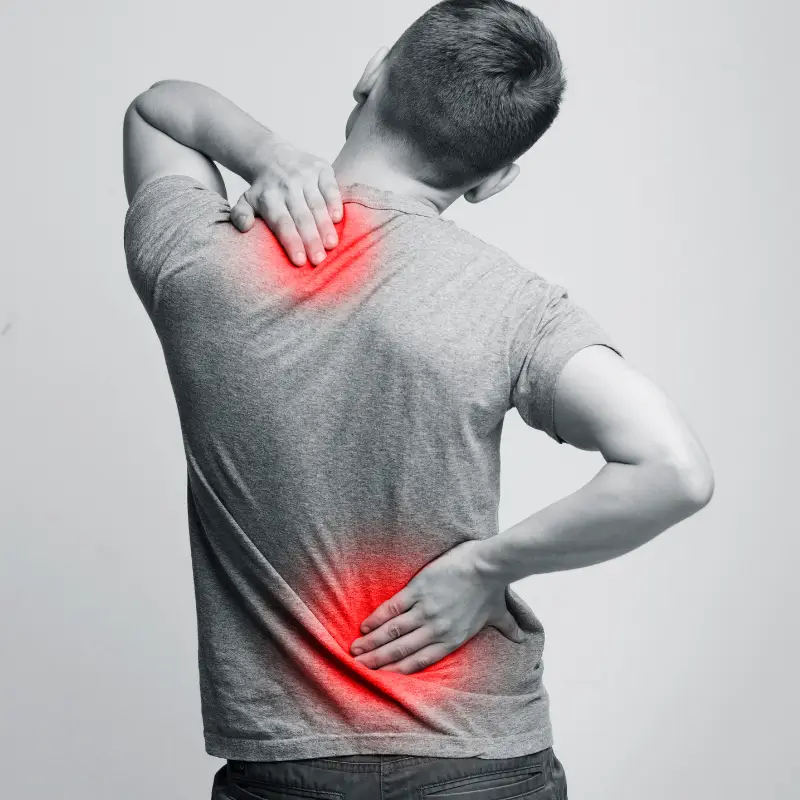
Chronic Back Pain
Chronic low back pain is the most common cause of activity limitation in persons younger than 45 years. Chronic back pain usually arises because there's a structural underlying problem such as arthritis, degenerative disc disease or postural problems. In some cases the pain persists despite there being no clear cause. It is defined as pain that persists longer than 12 weeks and is often attributed to degenerative or traumatic conditions of the spine.
For chronic back pain that is caused by arthritis or nerve damage conventional medication may only aim at reducing the pain rather than treating the cause. Patients with chronic back pain may be on medication for long periods.
For those who have chronic back pain that's restricting lifestyle and work, referral to osteopaths for treatment specific exercise therapy is a good idea. Osteopaths will be able to advise you on good long term back care. In severe cases you may have to come to terms with some limitation of activity and you will need to maintain some exercise in order to stay pain free. This is because strong, healthy muscles in the back and torso provide a huge amount of support for your back.
Sciatica and Trapped Nerves
Sciatica is a pain which runs along the sciatic nerve, which starts at the lower back and passes to the back of the leg; the sciatic nerve is quite easily irritated resulting in pain.
The sciatic nerve is activated when it is pinched or when the herniated disc is putting pressure on the sciatic nerve.
Sciatica usually affects one side of the lower body and the pain radiated from the lower back to the back of the thigh and down the leg.
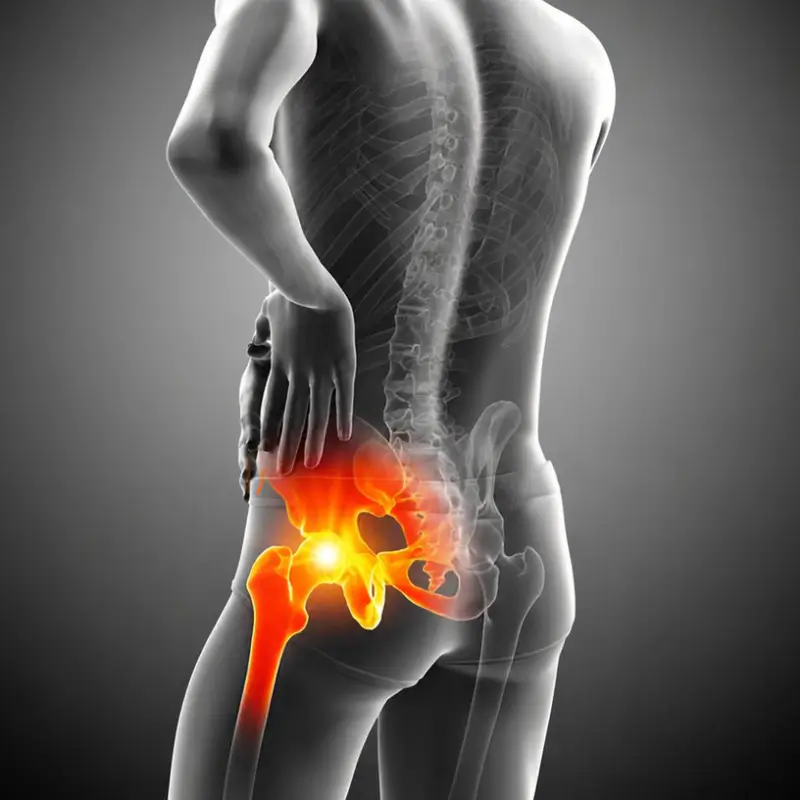
The symptoms of sciatica are either a feeling of weakness, numbness or pain in the back or outside of the leg or foot, often with pain in the low back or buttock.
A similar scenario may occur if a nerve is trapped in the neck, resulting in pain in the shoulder and arm, rather than the leg.
Without proper care pinching of the sciatic nerve may result in months or even years of pain. As the spinal cord does not extend to the lower back there is little chance of paralysis, but in some cases control of bladder and bowel may be lost. In this case the patient should see a medical doctor immediately.
There are treatments that can combat sciatic pain; these include osteopathic treatment to relieve pain by easing the pressure on the nerve roots.
Medicines such as pain relief drugs are widely used to ease pain, although these do not deal with the cause of the problem. The last resort is to have surgery to correct any abnormalities this includes procedures like microdiscectomy or lumber laminectomy to remove the portion of the disc that is irritating the nerve.
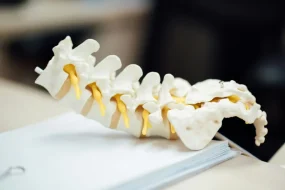
Degenerative Disc Disease
Degenerative Disc Disease is one of the most common causes of low back pain. The discs are fibrous shock absorbers between the bones (vertebrae) of the back. Degenerative Disc Disease is actually a natural part of the ageing process, however some people’s discs age faster than others, and some develop pain with the condition. Degenerative Disc Disease can be treated and managed and all patients should be encouraged to exercise the back to give it strength and gradually reduce the need for pain killers.
Many patients believe that Degenerative Disc Disease will continue and the pain will worsen with time however the truth is that symptoms from Degenerative Disc Disease do not necessarily worsen and sometimes the symptoms can improve with time. Good back care and awareness is vital.
Surgery or spinal injections can also be considered for patients with severe Degenerative Disc Disease however it is only considered as a last resort.
Degenerative Disc Disease may be helped by:
• Osteopathic treatment
• Exercising
• Pain medication
• Weight loss if overweight
• Improved posture
Back Pain Management
Low back pain can range from an annoyance to agony. There are many possible causes of lower back pain, including injuries to the back muscles, ligaments, nerves or discs that may have occurred due to strain, overuse, trauma or wear and tear.
The following four steps will help to reduce back pain:
- The use of osteopathic treatment, and in some instances acupuncture and massage and some other therapies that can help you with your back pain.
- Weight plays a big part in controlling back pain. Eating healthily to reduce weight helps reduce the stress on your back.
- Regular use of specifically prescribed exercise can greatly reduce back pain. Again, an Osteopath will be able to guide you through the correct type of exercise. An increase in general fitness will make a significant difference to many back pain sufferers, however you should seek professional advice before undertaking a new exercise. Jogging for example may aggravate some types of back pain.
- Making small key lifestyle changes. How to do everyday activities, such as the way we sit at a desk and how we stand and walk make a huge difference in our back pain. Posture is absolutely important. There is no one correct posture for everyone.